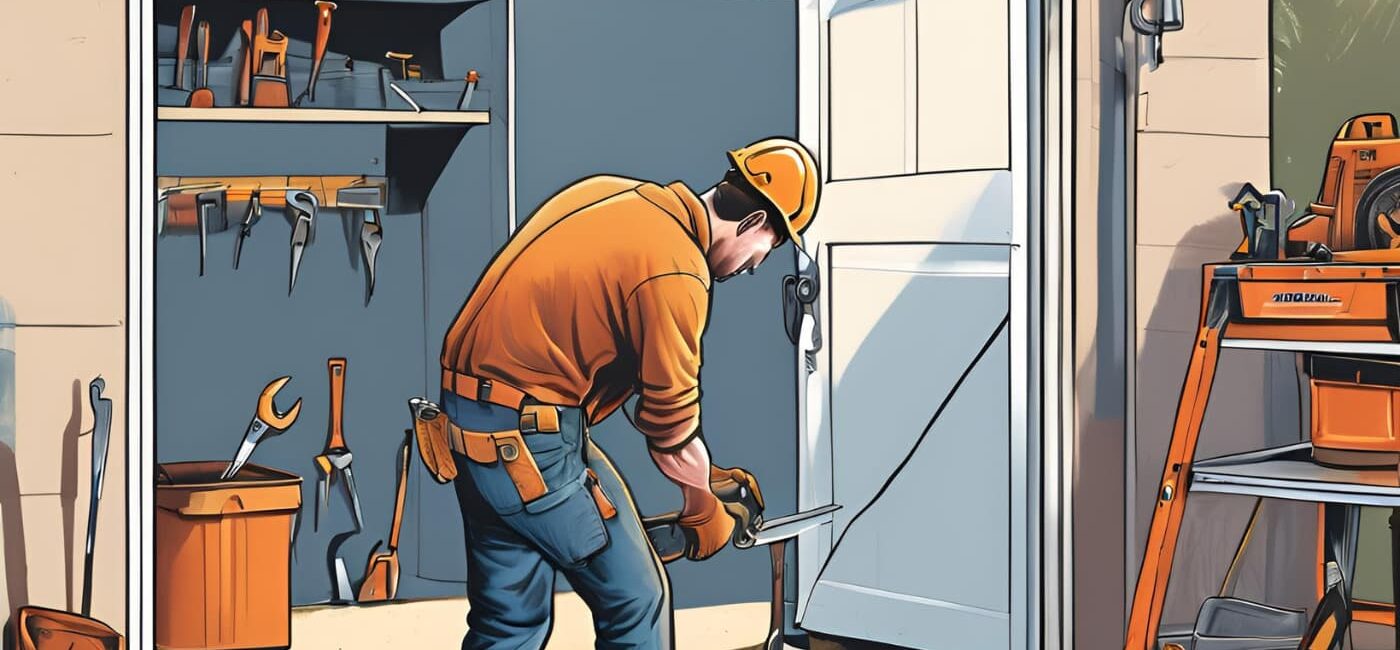
A well-functioning garage door provides convenience, and security, and enhances your San Francisco home’s curb appeal. However, like any mechanical system, it requires regular maintenance to prevent issues and avoid costly repairs. This article provides essential maintenance tips to help you keep your garage door operating smoothly and minimize the need for garage door repair San Francisco.
Why Garage Door Maintenance Matters
Proactive maintenance offers several benefits:
- Prevents Costly Repairs: Addressing minor issues early can prevent them from escalating into major problems requiring expensive repairs.
- Extends Lifespan: Regular maintenance can significantly extend the lifespan of your garage door and its components.
- Improves Safety: Maintaining your garage door ensures it operates safely, minimizing the risk of accidents or injuries.
- Enhances Performance: A well-maintained garage door operates smoothly and efficiently, providing optimal convenience.
Essential Garage Door Maintenance Tips
1. Visual Inspection
Regularly inspect your garage door for any signs of wear and tear. Look for:
- Damaged Panels: Check for dents, cracks, or rust on the door panels.
- Worn Weatherstripping: Inspect the weatherstripping at the bottom and sides of the door for damage or deterioration.
- Loose Hardware: Check for loose screws, bolts, or hinges.
- Broken or Frayed Cables: Inspect the cables that lift the door for any signs of fraying or damage.
- Misaligned Tracks: Ensure the tracks are straight and free of obstructions. If you notice any issues with the tracks, you may need professional garage door track repair in San Francisco.
2. Lubrication
Lubricate all moving parts of your garage door regularly to reduce friction and wear. Use a garage door lubricant or silicone spray on:
- Hinges: Lubricate all hinges where the door panels connect.
- Rollers: Apply lubricant to the rollers that move along the tracks.
- Springs: Lubricate the torsion springs above the door.
- Locks and Handles: Apply lubricant to the locks and handles to ensure smooth operation.
3. Balance Test
A balanced garage door should stay in place when opened halfway. To test the balance:
- Disconnect the Opener: Disengage the garage door opener by pulling the emergency release cord.
- Manually Open the Door: Lift the door halfway.
- Observe the Door: If the door stays in place, it’s balanced. If it falls or rises, the springs may need adjustment.
Caution: Do not attempt to adjust the springs yourself, as they are under high tension and can cause serious injury. Contact a professional for spring adjustments or repairs.
4. Safety Sensors
The safety sensors prevent the door from closing if there’s an obstruction in the way. Test the sensors monthly:
- Place an Object: Place an object in the path of the closing door.
- Observe the Door: The door should reverse when it senses the object. If it doesn’t, the sensors may need adjustment or repair.
5. Reversing Mechanism
The reversing mechanism ensures the door reverses if it encounters an obstruction while closing. Test it monthly:
- Place a Roll of Paper Towels: Place a roll of paper towels in the path of the closing door.
- Observe the Door: The door should reverse when it hits the roll. If it doesn’t, the reversing mechanism needs adjustment or repair.
6. Garage Door Opener
Regularly inspect and maintain your garage door opener:
- Remote Control: Check the batteries in your remote control and replace them as needed.
- Wall Switch: Ensure the wall switch is functioning properly.
- Manual Operation: Test the manual operation of the opener in case of a power outage.
- Force Adjustment: Check the opener’s force adjustment settings to ensure they are properly calibrated.
7. Clean the Tracks
Keep the garage door tracks clean and free of debris. Use a damp cloth to wipe down the tracks, removing any dirt, dust, or obstructions.
8. Weatherstripping
Inspect the weatherstripping around the door for damage or wear. Replace any damaged sections to prevent drafts and water leaks.
9. Regular Professional Maintenance
While DIY maintenance is essential, consider scheduling professional maintenance annually. A qualified technician can:
- Inspect the Entire System: Thoroughly inspect all components of your garage door system.
- Lubricate and Adjust Parts: Lubricate and adjust all moving parts.
- Identify Potential Issues: Identify potential issues and recommend preventative measures.
- Perform Necessary Repairs: Perform any necessary repairs to ensure optimal performance and safety.
When to Call for Professional Repair
While regular maintenance can prevent many issues, certain problems require professional garage door repair San Francisco. Contact a qualified technician if you notice:
- Unusual Noises: Grinding, screeching, or banging sounds could indicate a problem with the opener, springs, or rollers.
- Door Doesn’t Open or Close Properly: If the door is stuck, won’t open or close completely, or reverses direction, it may require professional repair.
- Damaged Panels or Sections: If the door panels are damaged or broken, they may need to be replaced.
- Broken Springs: Broken springs require professional replacement due to the high tension involved.
- Safety Sensor Issues: If the safety sensors are malfunctioning, it’s crucial to have them repaired promptly.
Conclusion
Regular maintenance is key to preventing garage door repair San Francisco and ensuring the longevity, safety, and efficiency of your garage door. By following these essential maintenance tips, you can keep your garage door operating smoothly and avoid costly repairs. Remember to inspect your door regularly, lubricate moving parts, test safety features, and schedule professional maintenance annually. With proactive care and attention, you can enjoy the convenience and security of a well-maintained garage door for years to come.